
 Call us now:


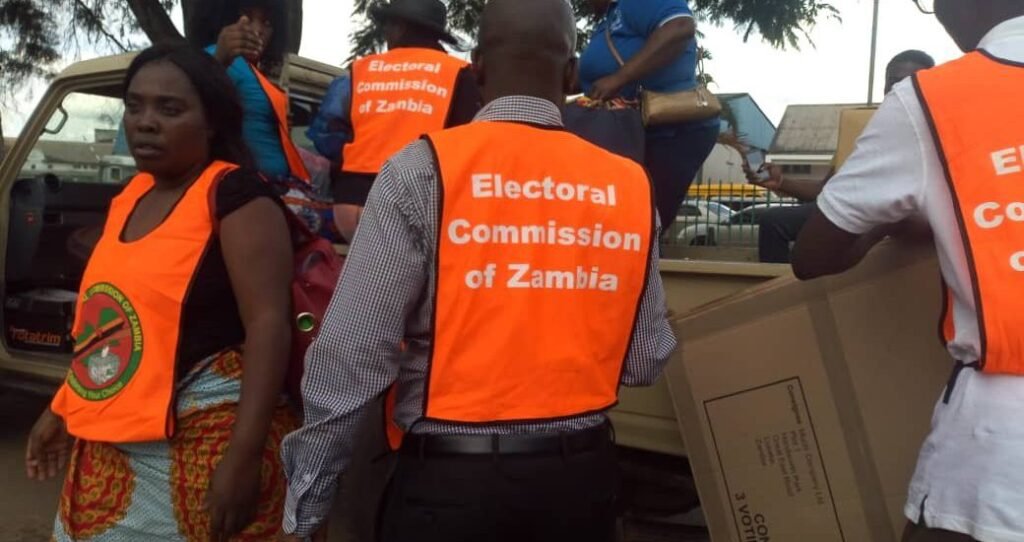
Table of Contents
Introduction
As Zambia approaches the crucial general elections scheduled for August 13, 2026, the legal landscape plays a pivotal role in shaping the electoral process. Legal developments in this period are fundamental, influencing not only the procedural aspects of the elections but also the broader political environment within which candidates and parties operate. A well-defined legal framework is essential for ensuring free, fair, and credible elections, thus fostering public confidence in democratic institutions.
The importance of understanding the evolving legal context cannot be overstated. Amendments to electoral laws, decisions by judicial bodies, and regulations from the Electoral Commission of Zambia can significantly impact how political parties position themselves and engage with the electorate. Moreover, the legal environment sets the standards for campaign financing, candidate eligibility, and the conduct of political activities, all of which are critical components in determining the legitimacy of the election outcomes.
In the lead-up to the 2026 general elections, several legal developments are likely to arise, prompting candidates and political parties to adapt their strategies and operations accordingly. The regulatory framework governing elections, including any changes to the constitution or electoral laws, will be scrutinized closely by stakeholders, including civil society organizations and the international community. These developments are expected to address longstanding issues such as election-related violence, voter disenfranchisement, and challenges related to the transparency of the electoral process.
This section will explore the current legal landscape and discuss the implications of upcoming legal reforms on the electoral process in Zambia. By analyzing these components, one can gain insights into how legal developments will ultimately shape the political dynamics and candidates’ chances in the impending elections.
Election-Related Constitutional Court Petitions
As Zambia approaches the 2026 General Elections, a number of significant legal developments are emerging, particularly regarding constitutional court petitions associated with presidential candidates. Central to these proceedings is a petition filed by Attorney General Mulilo Kabesha, which examines the legal framework governing the resignation of candidates post-nomination. The core issue pertains to the interpretation of the provisions in the Zambian Constitution surrounding candidate withdrawals.
The petition raises vital questions about the timing and process through which candidates may withdraw their candidacies after nominations have closed. In the current electoral landscape, such withdrawals can significantly influence the outcomes of elections, leading to potential legal disputes and affecting voter sentiments. The interpretation of constitutional provisions in this context is crucial as it can set precedents for future elections and establish clearer norms for candidate conduct.
The implications of these court proceedings are manifold. For one, they may provide clarity on whether candidates retain the right to withdraw from the race under specific conditions and the procedures that should be followed. Additionally, the ruling could influence the strategic decisions of political parties and candidates, especially as they prepare for the forthcoming elections. The interpretation of election-related laws will not only shape the democratic process but may also impact public trust in the electoral system.
With the judiciary playing a pivotal role in determining the course of electoral law, these court petitions will be closely monitored by political analysts, stakeholders, and citizens alike. Understanding how the constitutional court resolves these matters will be essential for establishing a fair and transparent electoral process in Zambia leading to the general elections of 2026.
The Role of the Electoral Commission of Zambia (ECZ)
The Electoral Commission of Zambia (ECZ) plays a critical role in overseeing the electoral process, ensuring fairness and transparency in the conduct of elections. As Zambia approaches the 2026 general elections, the responsibilities of the ECZ are becoming increasingly complex, especially in light of potential candidate withdrawals. The Chief Electoral Officer, Brown Kasaro, has emphasized that the commission is mandated to manage electoral processes effectively, regardless of circumstances such as candidates resigning from their positions.
The ECZ is expected to provide a framework that accommodates various scenarios as the elections draw nearer. One significant aspect is the need to maintain public trust and the integrity of the electoral process, which can be jeopardized when candidates withdraw. The commission is tasked with ensuring that all electoral guidelines are adhered to, which includes handling withdrawals and substitutions seamlessly. According to Brown Kasaro, the ECZ must prepare for any eventuality, focusing on preventing disruptions that could arise from such developments.
Furthermore, the ECZ must engage in public education about the electoral process, including the implications of candidate withdrawals on constituencies and party representation. This is vital in keeping the electorate informed and in encouraging continued participation in the electoral process, even when unexpected changes occur. The complexity surrounding candidate nominations and the legal framework guiding withdrawals adds another layer of responsibility for the commission. As they navigate these challenges, the ECZ is committed to ensuring that the electoral process remains robust and protected from potential pitfalls.
In conclusion, the role of the Electoral Commission of Zambia in the lead-up to the 2026 general elections is pivotal. Through its proactive approach to managing candidate withdrawals and maintaining the integrity of the electoral system, the ECZ aims to safeguard the democratic process in Zambia, ensuring that it remains fair and transparent for all stakeholders involved.
Press Freedom and the Cyber Crimes Act
The recent arrest of journalist Macpherson Mukuka under the provisions of the 2025 Cyber Crimes Act has raised significant concerns regarding the state of press freedom in Zambia. This incident highlights a troubling trend where legislation purportedly aimed at regulating cyber activities is being used to target journalists, thereby stifling independent reporting and investigative journalism. Mukuka’s arrest serves as a critical reminder of the precarious position that journalists find themselves in, particularly in the context of the upcoming 2026 General Elections.
The Cyber Crimes Act, while intended to address issues such as cyberbullying and misinformation, has been criticized for its vague language which can be interpreted broadly to penalize journalistic expression. This has created an environment where the threat of legal repercussions looms over reporters attempting to expose corruption or any electoral malfeasance. The chilling effect on journalistic practices, particularly investigative journalism, is palpable; reporters may self-censor or avoid certain topics for fear of immediate legal action.
In addition to Mukuka’s case, other incidents involving journalists in Zambia ahead of the elections point to a systemic issue that undermines the freedom of the press. Reports of intimidation and harassment of reporters have surfaced, suggesting a coordinated effort to control the narrative in the lead-up to the elections. This campaign against press freedom not only represses dissenting voices but also compromises the public’s right to information, an essential element of a functioning democracy.
As Zambians approach the pivotal 2026 General Elections, the implications of the Cyber Crimes Act on press freedom cannot be overstated. A free and independent press is crucial for an informed electorate. It is imperative for stakeholders, including civil society and international observers, to advocate for the protection of journalists, ensuring that they can operate without fear of harassment or arrest under ambiguous legal frameworks.
Challenges Facing Journalists in the Current Climate
In Zambia, the political climate ahead of the 2026 General Elections poses significant challenges for journalists tasked with reporting independently and objectively. With increasing tensions among political factions, the media landscape has become fraught with difficulties that hinder journalistic integrity and freedom. Journalists in Zambia often find themselves navigating a precarious environment marked by government pressure, threats, and occasional violence.
Instances of harassment against journalists have become disturbingly common in recent years. Reports indicate that some have faced intimidation from political operatives and law enforcement, often resulting in self-censorship as a protective measure. Such intimidation undermines the media’s essential role as a watchdog, limiting the ability to hold those in power accountable. Without a free press, the electorate is deprived of vital information needed to make informed decisions during the elections.
Censorship also presents a significant challenge. Certain media outlets have been accused of promoting partisan narratives, while others face closure for publishing content critical of the government. This environment fosters a chilling effect on journalistic practices and contributes to a culture where journalists are hesitant to report on sensitive issues. Consequently, this reduces the diversity of opinions and information available to the public, adversely impacting democratic processes.
Moreover, the economic pressures faced by journalists in Zambia cannot be overlooked. Many media houses struggle with financial sustainability, which can influence editorial decisions. Outsourced content, often lacking local insight and depth, becomes more prevalent as news organizations prioritize profit over quality journalism. The combination of harassment, censorship, and economic challenges ultimately compromises the media’s ability to serve the public good, limiting their capacity to investigate and report on critical issues affecting the nation.
Public Response and Activism
The landscape regarding legal developments in Zambia ahead of the 2026 General Elections has spurred notable public response and activism, particularly concerning press freedom and constitutional rights. Various stakeholders, including civil society organizations and governance activists, are increasingly vocal about the need for legal reforms that align with democratic principles. This response has been largely motivated by growing concerns over restrictions on freedom of expression, which have been a pressing issue in the political arena.
Organizations such as Amnesty International have played a pivotal role in advocating for human rights. Their reports and campaigns have emphasized the significance of maintaining independent and free press in Zambia, which is crucial for fostering an informed electorate. In light of the recent changes in legislation, these organizations have mobilized public opinion, demanding transparency and accountability from the government regarding electoral processes. The collective effort of civil society has driven conversations about the potential implications of legal provisions on civic engagement and political participation.
Furthermore, governance activists have been instrumental in raising awareness about constitutional rights. They have organized workshops, public debates, and protests aiming to educate citizens on their rights, while also pressuring policymakers to undertake necessary reforms. This activism is particularly salient given that an informed citizenry is fundamental for healthy democratic practices. The call for reform not only addresses current legislation but also looks ahead to securing the integrity of Zambia’s electoral framework, fostering an environment where democratic values can thrive.
As Zambia approaches another pivotal electoral period, the collaboration between the public, civil society, and international organizations like Amnesty International reflects a shared commitment to making meaningful contributions towards ensuring a fair electoral process and safeguarding fundamental rights.
Comparative Analysis of Previous Elections
Zambia’s electoral history is marked by a series of legal disputes that have significantly shaped its democratic landscape. Over the past two decades, several elections have been marred by controversies, resulting in legal challenges that have influenced both the political climate and the outcomes of those elections. Analyzing previous elections reveals patterns and precedents that are likely to resurface as the nation approaches the 2026 General Elections.
The 2016 General Elections serve as a pertinent example. During this election cycle, the outcome was contentious, leading to legal battles, particularly surrounding the results declared by the Electoral Commission of Zambia (ECZ). The opposition parties challenged the results in court, alleging electoral malpractice. Ultimately, the Constitutional Court ruled in favor of the ECZ, yet the prevailing atmosphere of distrust lingered and affected the subsequent local government elections. This instance exemplifies how legal disputes can reverberate through future electoral events, thereby setting a precedent for subsequent elections.
In contrast, the 2021 elections highlighted a shifting landscape wherein a significant number of voters expressed their concerns over electoral integrity and governance. Unlike in previous years, legal frameworks concerning electoral processes were scrutinized more rigorously, resulting in calls for reforms aimed at enhancing transparency and fairness in future elections. The implementation of the Electoral Commission’s reforms served as a crucial development that may influence legal interpretations and political strategies moving into the 2026 elections.
This comparative analysis underscores the critical role that past legal disputes and electoral outcomes play in shaping current electoral dynamics. Understanding these historical contexts provides essential insights into the legal frameworks and potential challenges that may arise in the upcoming elections. As Zambia navigates its path toward the 2026 General Elections, the legacies of previous elections will undoubtedly be pivotal in informing both political actors and the electorate alike.
Looking Ahead: Implications for the 2026 General Elections
The legal landscape in Zambia is undergoing significant changes, raising important questions about the implications for the forthcoming 2026 general elections. The decisions rendered by the Constitutional Court regarding electoral laws and processes are poised to shape the electoral environment, influencing not only the strategies of political parties but also the overall voter engagement. As legal frameworks evolve, they may lead to increased clarity or further complications in the electoral procedures.
Continued challenges in the realm of press freedom pose another critical concern as Zambia approaches its general elections. A free and independent press is essential for promoting transparency and accountability in any democratic process. Restrictions on media coverage can hinder the electorate’s access to vital information regarding candidates and policy positions, thereby impacting informed voting behavior. As these legal developments unfold, many are left considering how they might affect both the quality of the elections and voter turnout.
The interplay between judicial decisions and the protection of fundamental rights will likely influence election outcomes. For instance, if the courts uphold the government’s increased control over media narratives, parties opposing the government may find it difficult to gain traction with voters. Conversely, support for press freedom can bolster democratic discourse, enabling a more vibrant political environment that encourages diverse viewpoints and active citizen participation.
Moreover, the ongoing legal controversies surrounding electoral regulations could present opportunities for reform that might enhance the democratic process. Advocacy groups and civil society organizations are poised to play a crucial role in this potential transformation—pushing for legal reforms that ensure fair conduct during the elections. Collectively, these factors indicate that the legal developments leading up to the 2026 general elections will be a defining aspect of Zambia’s democratic process, with implications that reach far beyond the ballot box.
Conclusion
As Zambia gears up for the 2026 general elections, the legal landscape surrounding the electoral process has become increasingly significant. The recent legal developments highlight the evolving nature of the electoral framework and its impact on governance. Various legislative changes, coupled with judicial rulings, have shaped the context within which these elections will occur. The introduction of new electoral laws, reforms to enhance transparency, and measures to ensure inclusivity all underscore a trend towards strengthening democratic processes.
These developments emphasize the imperative of maintaining legal and constitutional standards as the nation approaches the elections. It is crucial that stakeholders, including electoral commissions, political parties, and civil society organizations, remain vigilant in upholding these standards. Ensuring compliance with established laws fosters confidence in the electoral process, which is fundamental for the legitimacy of the elections. Furthermore, the involvement of the community in monitoring electoral practices plays a vital role in reinforcing accountability and transparency.
In conclusion, the importance of these legal advancements cannot be overstated as they directly affect the integrity of the upcoming elections. By prioritizing adherence to legal frameworks, Zambia can aspire to conduct elections that are not only free and fair but also reflective of the will of the people. The responsibility lies with all stakeholders to navigate these legal developments judiciously, ensuring that the electoral process remains a true representation of democracy in action. As the 2026 general elections draw closer, continued advocacy for legal compliance and electoral integrity will be essential for nurturing Zambia’s democratic ethos.


Introducing Weekend Legal Insights with Mesdames Jane Jere Legal Practitioners