
 Call us now:


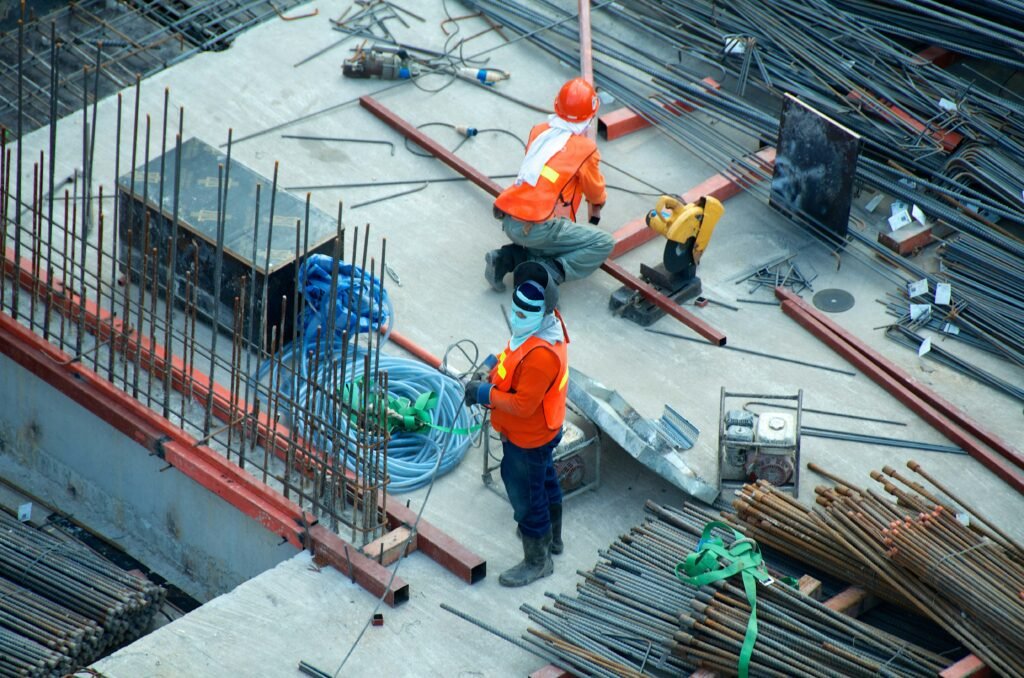
Table of Contents
Introduction to Construction Law in Zambia
Construction law in Zambia plays a critical role in regulating the myriad of activities that take place within the construction industry. It encompasses a range of legal issues that arise from the planning, execution, and management of building projects. Understanding the intricacies of construction law is essential for all stakeholders involved, including contractors, subcontractors, property owners, architects, and engineers. With a robust legal framework in place, these entities can navigate the complexities of construction projects more effectively.
The significance of construction law in Zambia extends beyond mere compliance; it serves as a foundation for fostering trust and clarity among parties engaged in construction activities. By providing a legal context for rights, obligations, and liabilities, construction law promotes accountability and ensures that projects adhere to standardized practices. This legal framework is vital in minimizing disputes, which can lead to significant financial repercussions and project delays.
Various stakeholders play pivotal roles in construction projects, and each is subject to specific legal requirements. For instance, contractors must be well-versed in contract law to ensure that all agreements are legally binding and enforceable. Meanwhile, property owners need to understand their rights concerning property development and any regulatory approvals required. Architects and engineers, on the other hand, must adhere to professional standards and safety regulations to ensure that the constructed facilities are both safe and functional.
Legal guidance is crucial for successful project execution across all phases of construction. Access to skilled legal professionals enables stakeholders to understand their rights, navigate contractual obligations, and mitigate risks effectively. As the construction landscape in Zambia continues to evolve, the importance of construction law remains paramount, ensuring all parties involved can achieve their objectives within a structured and legal framework.
The Legal Framework Governing Construction Projects
The construction industry in Zambia is regulated by a complex legal framework consisting of various statutes, regulations, and principles that define the rights and obligations of parties involved in construction projects. This framework not only impacts the stakeholders but also ensures that construction activities are carried out in a manner that is safe, efficient, and compliant with national standards.
One of the key legislations governing the construction sector in Zambia is the Architects Act of 2003, which governs the practice of architecture, including the registration, duties, and conduct of architects. This Act ensures that only qualified professionals are engaged in designing construction projects, thereby safeguarding public interest.
Additionally, the Construction Projects Act reinforces the legal framework by establishing guidelines for the execution of construction contracts. This Act outlines the responsibilities of contractors, subcontractors, and clients, ensuring that all parties engage in fair practices while adhering to contract specifications. The importance of this Act cannot be overstated as it aims to minimize disputes that arise from non-compliance with contractual obligations.
Another pivotal statute is the Public Procurement Act, which governs the procurement processes related to construction projects undertaken by public institutions. This legislation mandates transparency and competition in the award of contracts, aiming to prevent corruption and enhance accountability in the public sector.
Moreover, the Employment Act has provisions that impact the construction industry by regulating the employment conditions for workers on construction sites, including wages, work hours, and rights to collective bargaining. This protection is essential for ensuring workers’ rights and promoting safety on construction sites.
In summary, the legal framework governing construction projects in Zambia is multifaceted, incorporating various statutes and regulations that together ensure the orderly execution of construction activities. Understanding these laws is crucial for all stakeholders involved in construction to navigate potential legal challenges effectively.
Stakeholder Rights and Obligations
In the construction industry, multiple stakeholders interact within a framework governed by law and contractual agreements. Each party—property owners, developers, contractors, subcontractors, consultants, suppliers, and financiers—holds specific rights and obligations that shape their relationships and responsibilities throughout the construction process.
Property owners typically bear the ultimate responsibility for ensuring compliance with zoning laws, environmental regulations, and health and safety standards. They have the right to receive a project that meets the agreed specifications while ensuring that contractors adhere to timelines and budgets. This necessitates comprehensive communication to address any project deviations or issues that arise.
Developers, generally responsible for project financing and construction oversight, are tasked with ensuring that projects are completed on schedule and in compliance with local regulations. They carry the obligation to secure all necessary permits and licenses, while also safeguarding the investment of financiers. A clear understanding of construction law services can support developers in mitigating potential disputes with other stakeholders.
Contractors and subcontractors, essential for executing the construction work, have rights concerning payment and timely provision of necessary materials and project specifications. They are obligated to deliver the work as outlined in their contracts, while also maintaining the quality standards set by the owner or developer. Any deviation from these obligations could lead to contractual disputes and potential litigation.
Consultants play a vital advisory role, providing expertise in areas such as design, engineering, and project management. Their rights include remuneration for services rendered, whereas their obligations involve adhering to professional standards to ensure project safety and compliance.
Suppliers and financiers must be aware of their contractual rights to payment and the obligation to fulfill their roles without unnecessary delay. Each stakeholder’s understanding of their rights and obligations is pivotal to fostering an environment conducive to successful project completion. Legal considerations, including disputes and claims, underscore the importance of clarity in stakeholders’ roles under construction law services.
Key Areas of Client Interest in Construction Law
Construction law encompasses a variety of legal concerns that are vital for clients involved in the construction industry. One of the core areas of interest is construction contracts. These are foundational documents that outline the terms, conditions, and responsibilities of all parties involved in a construction project. Clients need to ensure that these contracts are comprehensive and clear to prevent disputes and misunderstandings. Key elements often included are timelines, payment schedules, and scope of work, which are crucial for a successful project execution.
Another significant area is project procurement. This aspect involves the processes through which construction projects are planned, tendered, and awarded. Clients seeking to navigate the procurement landscape effectively must be aware of the various methods available, including traditional, design-bid-build, and design-build approaches. Understanding these methods enables clients to choose the most effective strategy that fits their project needs and complies with local regulations.
The importance of contract negotiation cannot be overstated in construction law. This process involves discussions between parties to agree upon the terms of the contract, aiming to achieve a mutually beneficial arrangement. Adept negotiation can protect clients’ interests and mitigate potential risks, which is particularly significant in a sector where delays and cost overruns can occur. Clients should prepare adequately by understanding their objectives and limits before entering negotiations.
Finally, regulatory compliance is an area of construction law that is critical for the lawful execution of construction activities. Clients must familiarize themselves with local laws and ordinances, obtaining the necessary permits and licenses. Compliance ensures that projects are not only legally sound but also safe and environmentally responsible. This knowledge helps clients avoid costly fines and project delays caused by regulatory issues.
Managing Building Disputes and Claims
In the realm of construction, disputes and claims are not uncommon and can arise from various issues throughout a project. Common disputes include disagreements over the scope of work, payment obligations, project delays, defective work, and changes to the original agreements or plans. Effective management of building disputes is crucial to maintaining the integrity of the project and ensuring that all parties are satisfied with the outcomes.
Building disputes often stem from miscommunication or misunderstandings between contractors, subcontractors, and clients. As construction projects progress, the scope of work may change due to unforeseen circumstances, leading to variations that require careful documentation and agreement among all parties involved. Failure to properly manage these variations can result in payment claims, which may require legal intervention if not resolved amicably.
Delays are another significant factor contributing to construction disputes. These delays may arise from numerous sources, including labor shortages, inclement weather, or unexpected site conditions. Legal services can assist in evaluating the circumstances surrounding delays and determining liability, which is essential for resolving disputes effectively. Additionally, defects in work or materials can lead to considerable claims, highlighting the importance of quality control and compliance with established standards.
Another aspect of managing disputes relates to risk allocation. It is vital for contracts to clearly define the responsibilities of all parties, thereby minimizing potential conflicts. Legal experts in construction law can aid in drafting and reviewing contracts to ensure that they include adequate provisions for dispute resolution, risk management, and indemnification. Through mediation or arbitration, parties can often resolve their disputes without resorting to lengthy litigation, which can be both time-consuming and financially burdensome.
Health and Safety Obligations in Construction
Construction projects inherently involve various risks, which is why health and safety obligations are paramount within the construction industry in Zambia. Under the legal framework, employers and project managers are responsible for ensuring a safe working environment for all personnel on-site. This includes implementing safety measures and complying with regulations set forth by the Zambia Occupational Health and Safety Authority (ZOHSA).
One of the primary obligations is to conduct thorough risk assessments before the commencement of any construction activities. This entails identifying potential hazards, evaluating risks, and establishing control measures to mitigate those risks. Regular training and safety briefings for all workers are also crucial in promoting awareness of safety protocols and emergency procedures. In addition, personal protective equipment (PPE) must be provided to workers and enforced as a standard practice.
Moreover, it is essential for construction firms to develop and maintain health and safety policies that align with national legislation. These policies should not only comply with statutory requirements but also reflect best practices within the industry. The regular monitoring of health and safety performance through audits and inspections serves to ensure ongoing compliance and fosters a culture of safety on-site.
In Zambia, failure to adhere to health and safety legislations can lead to significant legal repercussions, including fines and, in severe cases, cessation of project work. Therefore, engaging skilled safety professionals to oversee compliance efforts can be beneficial. By prioritizing health and safety obligations, construction companies safeguard not only their workforce but also enhance the overall efficiency and success of projects. Ultimately, a proactive approach to health and safety in construction is vital for reducing accidents and promoting a sustainable work environment.
Insurance and Risk Management in Construction Projects
The construction industry in Zambia, like many other regions, is inherently fraught with various risks which necessitate the utilization of effective insurance strategies. Insurance serves as a crucial backbone for construction projects by providing financial protection against unforeseen events that may disrupt the project cycle. The essence of having comprehensive insurance coverage cannot be overstated, as it safeguards not just the financial interests of contractors and developers but also those of the clients and stakeholders.
There are several types of insurance relevant in the domain of construction, including but not limited to builder’s risk insurance, general liability insurance, workers’ compensation insurance, and professional liability insurance. Builder’s risk insurance, for example, offers protection against damages to the structure during the construction phase, while general liability insurance helps cover legal claims arising from accidents or injuries that occur on site. Each type of coverage addresses specific needs and risks, and selecting the appropriate insurance policies is essential for mitigating potential project setbacks.
Risk management strategies are also pivotal in the construction sector. These strategies involve identifying, assessing, and prioritizing risks, which are then followed by coordinated efforts to minimize, control, or eliminate the impact of unfortunate events. Effective risk management not only necessitates adequate insurance coverage but also comprehensive planning and established safety protocols throughout the project lifecycle. It is imperative for contractors and project managers to have a solid understanding of legal implications associated with inadequate insurance, as the lack of appropriate coverage can lead to significant financial burdens and legal disputes that may affect not only the contractor but also the client.
Ultimately, combining a thorough insurance program with effective risk management practices ensures that construction projects in Zambia can proceed with reduced vulnerability to unpredictable hazards, fostering a more secure working environment for all parties involved.
Dispute Resolution Methods in Construction Law
Disputes in the construction industry are often complex and can arise at any stage of a project. In Zambia, several methods exist for resolving such disputes, each with its distinct advantages and disadvantages that project participants must consider carefully.
One commonly used method is negotiation. This approach involves direct discussions between the parties to reach a mutually acceptable solution. The primary advantage of negotiation is that it is typically the least costly option and allows for a more flexible resolution process. However, it requires the willingness of both parties to compromise, which may not always be present.
Mediation is another popular method, where a neutral third party facilitates communication between the disputing parties. Mediation can promote collaborative problem-solving and often results in a faster resolution than litigation. Nonetheless, it is non-binding, meaning that either party can choose to reject the mediator’s recommendations and may subsequently resort to more formal dispute resolution methods.
Arbitration is a more formal alternative and is often specified in construction contracts. In this method, an arbitrator evaluates the case and makes a binding decision. Arbitration is generally faster than litigation and provides privacy to the parties involved. However, the downside includes limited appeal options, which means that once the arbitrator’s decision is made, it is typically final.
Lastly, litigation is the most formal method of dispute resolution. It involves taking the dispute to court, where a judge or jury makes a binding decision. While litigation may provide a comprehensive solution and the possibility of appeals, it often entails significant costs, prolonged timelines, and public exposure of sensitive project details.
Selecting the appropriate dispute resolution method depends on various factors, including the complexity of the dispute, relationships among the parties, and the desired outcome. Each method presents unique challenges and benefits, hence understanding them is crucial for effective dispute management in the construction field.
Recent Developments and Trends in Zambia’s Construction Industry
The construction industry in Zambia has seen significant activity in recent years, driven by various infrastructure projects aimed at improving the country’s economic landscape. Major initiatives have encompassed the development of roads, bridges, health facilities, and educational institutions, contributing to a more robust infrastructure that supports national growth.
One of the notable trends within the Zambian construction sector is the implementation of procurement reforms aimed at increasing transparency and efficiency. The government has progressively advanced policies that encourage competitive bidding and promote fair practices, thereby reducing corruption risks that have historically plagued the industry. Such reforms have been crucial for establishing trust among stakeholders, including both local and foreign investors, who are essential for the financing and execution of construction projects.
In addition to reforms, sustainability initiatives are gaining traction within Zambia’s construction practices. There is an increasing recognition of the need for environmentally friendly construction methods, including the use of sustainable materials and energy-efficient designs. These practices not only help in lowering the carbon footprint associated with construction activities but also ensure compliance with both local and international sustainability standards.
Emerging legal trends also characterize the evolving construction landscape in Zambia. The regulatory environment is becoming more comprehensive, as construction law services are adapting to accommodate new challenges posed by complex contracts and disputes. Legal practitioners in this field are increasingly required to stay informed about the changing laws that impact construction practices, including labor laws, safety regulations, and environmental impact assessments.
In light of these developments, it is imperative for industry stakeholders to remain knowledgeable about ongoing changes within the construction sector. Understanding these recent trends is essential for aligning business strategies with regulatory requirements and leveraging opportunities for growth in Zambia’s dynamic construction market.
