
 Call us now:


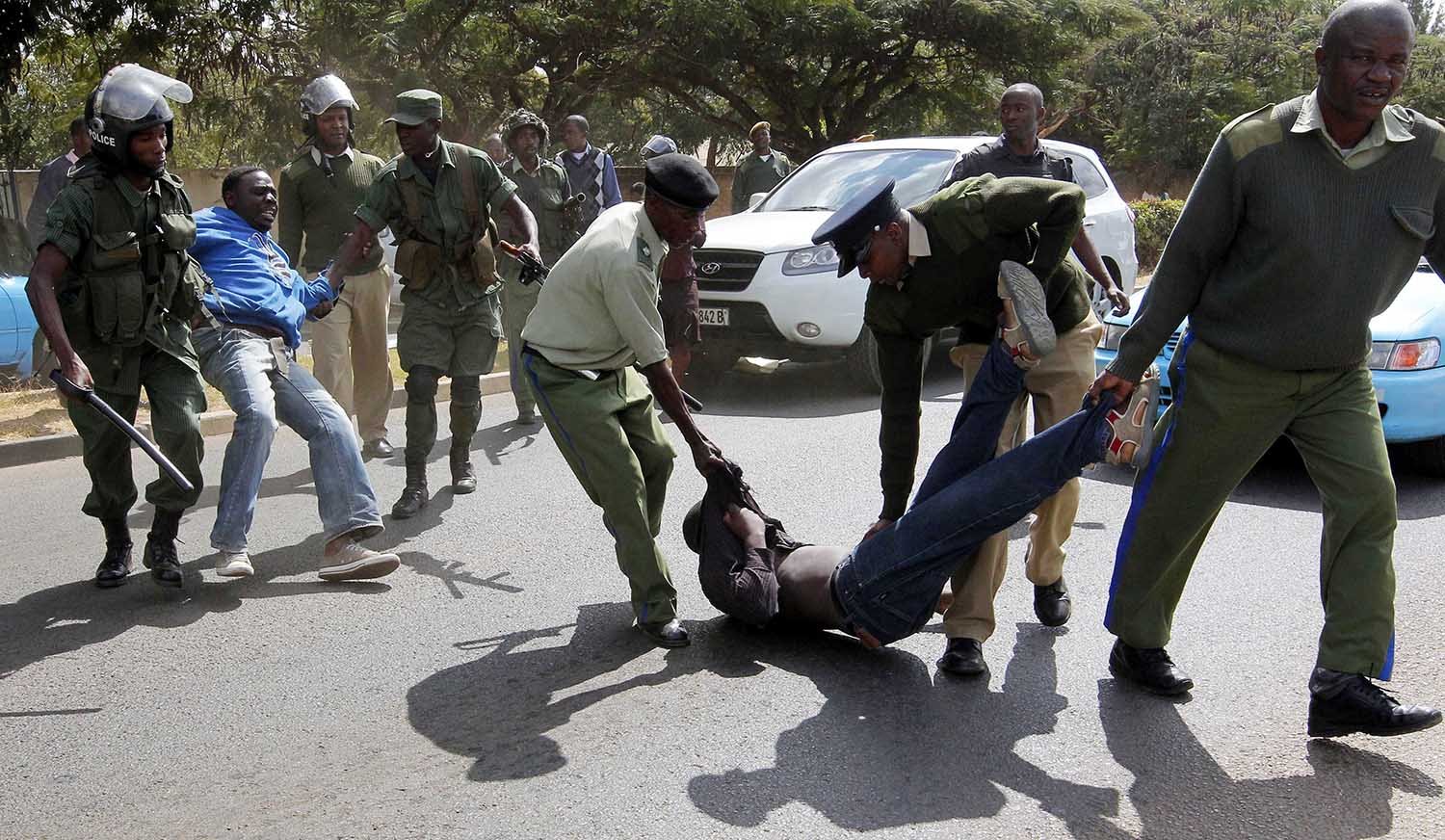
Table of Contents
What Should You Do If You Are Arrested in Zambia?
Being arrested is frightening, even for someone who has done nothing wrong. Your mind races, you don’t know what happens next, and the pressure to say or sign something just to make the situation end can feel overwhelming. It’s worth holding onto one fact from the very start: an arrest is not a conviction. What you do in the hours and days that follow can genuinely affect the outcome, which is why understanding your rights and the right practical steps matters.
Zambia’s Constitution protects personal liberty under Article 13, and specifically requires that anyone arrested or detained be informed, as soon as reasonably practicable and in a language they understand, of the reasons for their arrest or detention. This guide walks through practical steps from the moment of arrest through detention, bail, and your first court appearance.
Stay Calm and Do Not Resist a Lawful Arrest
However unfair the arrest feels in the moment, physically resisting or trying to flee will only make your situation worse. Under the Criminal Procedure Code (Chapter 88), police are permitted to use reasonable measures to effect an arrest where a person forcibly resists or tries to evade it. Avoid arguing aggressively at the scene, the time to properly challenge an arrest is through the legal process that follows, not in a confrontation with the arresting officer.
Ask Why You Are Being Arrested
You’re entitled to know why. Under Article 13 of the Constitution, an arrested or detained person must be told the reasons for their arrest or detention as soon as reasonably practicable, in a language they actually understand. Calmly ask: why am I being arrested? What offence am I suspected of? Where am I being taken? There’s an important difference between asking for this basic information, which you’re entitled to, and arguing about the substance of the allegation at the scene, which generally isn’t the right moment for that conversation.
Remember: An Arrest Is Not a Conviction
A person charged with a criminal offence is presumed innocent until proven guilty or until they plead guilty. This isn’t just a legal technicality, it should genuinely shape how you approach everything that follows. Decisions made in panic, or under pressure to “just get this over with,” can have consequences that outlast the immediate discomfort of the arrest itself.
Do Not Make Unnecessary Statements
There’s a real difference between providing basic identification information, which you’re generally expected to give, and making substantive statements about the alleged offence itself. Before discussing the specifics of what you’re accused of, it’s genuinely worth getting legal advice, even a brief conversation with a lawyer can help you understand what you should and shouldn’t say. Whatever the pressure, never lie to investigators or fabricate an explanation, this can create far more serious problems than the original allegation.
Ask to Contact a Lawyer
Getting legal assistance as early as possible matters enormously. An accused person has the right to defend themselves or, subject to the applicable law, to be represented by a legal representative of their choice. Early legal advice can help you understand the actual allegation against you, navigate a police interview properly, work through a bail application, preserve evidence relevant to your case, and prepare for what happens in court.
Tell a Trusted Person That You Have Been Arrested
Where possible, make sure a family member or someone you trust knows where you’re being held, what you’ve been accused of, which police station is involved, and, if you can get it, the name of the investigating officer. This isn’t just for peace of mind, it genuinely helps with arranging legal representation and pursuing bail or release.
Understand How Long You Can Be Detained
This is an area where it’s important not to oversimplify. The Constitution requires that a person arrested on reasonable suspicion of an offence, and not released, be brought before a court without undue delay. The Criminal Procedure Code adds more specific detail: no police officer shall detain a person arrested without a warrant for a longer period than is reasonable in the circumstances, and that period generally should not exceed twenty-four hours, excluding the time necessary for the journey from the place of arrest to the court and any intervening public holiday.
It’s genuinely important not to treat “24 hours” as a rigid, universal rule that applies identically to every arrest, the exact position can depend on the nature of the offence, whether a magistrate has made a special order under the Code, and the specific circumstances involved. If you or a family member believes detention has gone on longer than it lawfully should, this is precisely the kind of question worth raising with a lawyer promptly.
Ask About Police Bond or Bail
There’s a meaningful difference between police bond (release arranged directly by the police, often with conditions), bail granted by a court, and release without conditions. Whether release is available, and on what terms, depends on the offence and the applicable law. Courts and police typically weigh factors including the risk of the accused absconding, how serious the allegation is, the risk of interference with witnesses or evidence, and the person’s history of complying with previous court or bond requirements. A lawyer can meaningfully assist with a bail application, both in preparing it properly and in addressing the specific factors a court or officer will be weighing.
Do Not Sign Documents You Do Not Understand
Read anything you’re asked to sign carefully. If you don’t understand a document, ask for it to be explained, and where the stakes are significant, seek legal advice before signing. Never sign a statement simply because you feel pressured, intimidated, or just want to be allowed to leave the station, a document signed under that kind of pressure can follow you through the entire case.
If You Are Questioned by Police
Before answering substantive questions, make sure you understand what offence is actually being investigated, and ask to consult a lawyer first. Don’t guess or speculate about details you’re not certain of, don’t deliberately provide false information, don’t destroy, conceal, or alter any evidence, and don’t attempt to contact alleged victims or witnesses to pressure them, doing so can create serious additional legal problems on top of the original matter.
What If Police Search You or Your Property?
Searches and seizures are governed by law, and whether a particular search was lawful depends on its specific circumstances. Stay calm during the process, don’t physically interfere with officers carrying out a lawful search, and where possible, note down what property is taken and ask for appropriate documentation or a record of what was seized.
What If You Are Injured or Mistreated in Custody?
An arrested person retains legal protections even while in custody. If you’re injured or mistreated, document what happened and seek appropriate medical attention as soon as you’re able to. Inform a lawyer or a trusted person promptly. Allegations of unlawful arrest, detention, or mistreatment should be pursued through appropriate legal channels rather than confrontation with the officers involved, which rarely helps and can complicate matters further.
What If You Are Arrested for a Civil Dispute or Debt?
There’s a crucial legal distinction between a civil dispute and a criminal offence. Failure to repay a loan, a breach of contract, or an unpaid invoice are civil matters, not criminal ones, and a person generally should not be arrested simply because they owe a civil debt. The Human Rights Commission of Zambia‘s guidance similarly distinguishes civil debt disputes from criminal arrest powers. That said, the position can genuinely change where there’s an allegation attached to the debt, such as fraud, obtaining money by false pretences, or theft, these are separate criminal allegations, distinct from the underlying civil debt itself. If you’re facing a civil debt dispute rather than a criminal matter, our guide on recovering money owed to you in Zambia covers the proper civil recovery process.
What Happens When You Are Taken to Court?
Your first court appearance typically involves the charge being formally presented, your plea and initial procedural steps, a decision on bail or continued detention, and possibly an adjournment with directions for what happens next. The precise procedure depends on the offence and which court is hearing the matter.
What If You Are Charged With an Offence You Did Not Commit?
You have the right to defend the allegation against you, and you shouldn’t plead guilty out of fear or pressure to make the process end quickly. Get legal advice, and start preserving evidence that supports your position early, relevant documents, messages, photographs, and anything else that could matter. Identify potential witnesses. Be careful, though, not to contact witnesses in any way that could be read as intimidation or interference, that can seriously damage your position regardless of your intentions.
What If You Cannot Afford a Lawyer?
Legal assistance may be available through Zambia’s Legal Aid system in appropriate circumstances. If you can’t afford private representation, it’s worth asking about eligibility for legal aid, though it’s important to understand that not every arrested person automatically qualifies, eligibility depends on the specific circumstances of your case and financial situation.
What Family Members Should Do
If someone close to you has been arrested, find out where they’re being held and what they’ve been accused of. Contact a lawyer where appropriate. Ask about the possibility of police bond or court bail. Gather any relevant documents. Avoid confronting the complainant or witnesses, and don’t attempt to interfere with the investigation, however well-intentioned that might feel in the moment. Keep careful records of important dates and court appearances as the case progresses.
Common Mistakes to Avoid After Arrest
Resisting arrest; running away; threatening police officers; destroying evidence; lying during investigations; signing documents without understanding them; discussing the case publicly on social media; contacting or threatening the complainant; ignoring bail or bond conditions; and assuming that being arrested automatically means conviction is inevitable.
A Simple Checklist: What to Do If You Are Arrested
- Stay calm
- Ask why you are being arrested
- Do not physically resist
- Avoid unnecessary discussion about the allegation
- Ask to contact a lawyer
- Inform a trusted person where possible
- Find out where you are being detained
- Ask about police bond or bail
- Do not sign documents you do not understand
- Attend court when required
- Follow all bail or bond conditions
- Preserve evidence relevant to your defence
Frequently Asked Questions
Can police arrest me without a warrant in Zambia?
Yes, the law permits arrest without a warrant in specified circumstances under the Criminal Procedure Code, and whether a particular arrest was lawful depends on the facts and the specific statutory power relied upon.
Do police have to tell me why I am being arrested?
Yes. Article 13 of the Constitution requires that you be informed of the reasons for your arrest or detention as soon as reasonably practicable, in a language you understand.
Can I refuse to answer questions?
There’s a distinction between basic identification requirements and substantive questions about the alleged offence. It’s generally advisable to get legal advice before making any statement that could be incriminating.
How long can police keep me before taking me to court?
The Constitution requires production before a court without undue delay, and the Criminal Procedure Code generally sets a reasonable period not exceeding 24 hours (excluding travel time and public holidays), but this isn’t an absolute rule for every situation, and specific circumstances can affect it.
Can I get bail after being arrested?
Possibly, through police bond or court bail, depending on the circumstances and the specific offence involved.
Can I call a lawyer after being arrested?
Yes, and doing so as early as possible is genuinely important for protecting your position.
What happens if I cannot afford a lawyer?
Legal aid may be available, subject to eligibility requirements, it’s worth asking about this directly.
Can I be arrested because I owe someone money?
Not ordinarily, a civil debt on its own is not a criminal matter, though the position can differ if a separate criminal allegation, like fraud, is connected to the situation.
What should I do if I believe my arrest was unlawful?
Document what happened as thoroughly as you can and get legal advice about the remedies that may be available, rather than confronting anyone involved directly.
The Bottom Line
An arrest is serious, but it is not the same thing as guilt. Staying calm, understanding the actual allegation against you, seeking legal advice early, and following lawful procedure throughout genuinely puts you in a stronger position, both for your immediate situation and for whatever comes next.
If you or a family member has been arrested, summoned, investigated, or charged with a criminal offence in Zambia, Mesdames Jane Jere Legal Practitioners can advise on criminal investigations, arrest, bail, and court proceedings. The earlier you seek advice, the more options tend to remain available to you, waiting until the matter reaches trial is rarely the best strategy.
For related reading, see our guide to Criminal Law Services in Zambia, or explore our Criminal Law category for further updates.
This article is for general information only and does not constitute legal advice specific to your circumstances. It was prepared by Mesdames Jane Jere Legal Practitioners and reviewed for accuracy against Article 13 of the Constitution of Zambia and the Criminal Procedure Code (Chapter 88).