
 Call us now:


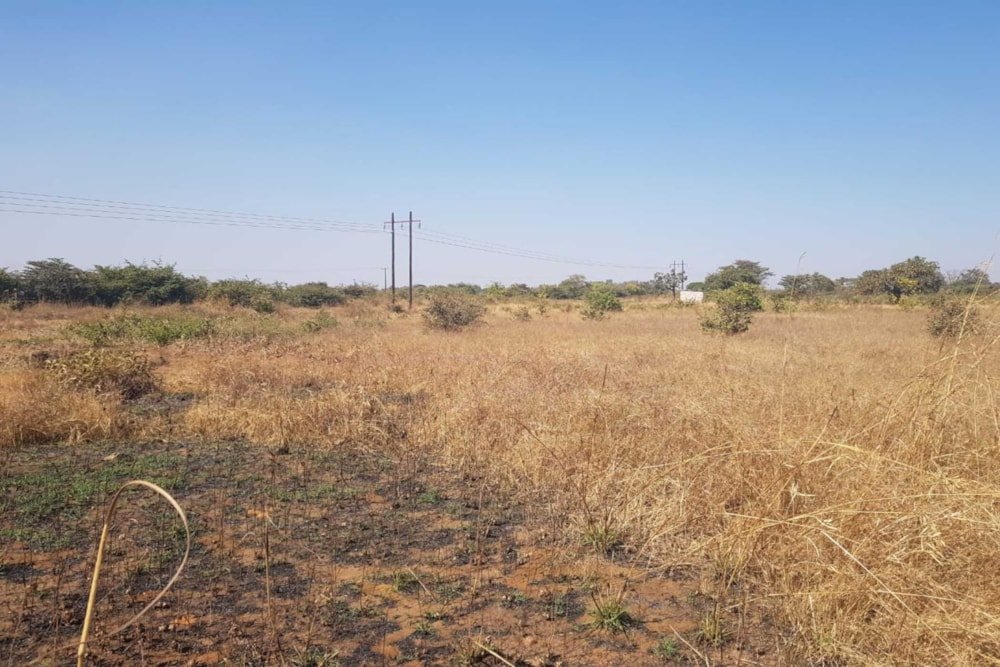
Table of Contents
10 Things to Check Before Buying Land in Zambia
You have found a plot you like. The seller seems genuine, the price feels fair, and you are ready to pay a deposit before someone else takes it. But a good price and a friendly seller tell you nothing about whether that person actually has the legal right to sell the land, whether the title is clean, or whether someone else already has a claim to it.
Buying land is one of the largest financial commitments most Zambians will ever make, and problems are far cheaper to catch before you pay than to fix afterwards. This guide sets out ten checks worth working through before you commit any money, along with the documents to ask for and the warning signs that should make you pause.
1. Confirm who actually owns the land
Start with the most basic question: does the person selling the land actually own it, or have legal authority to sell it on someone else’s behalf? Under the Lands Act, all land in Zambia is vested in the President, who alienates it to individuals and organisations by way of leasehold title, typically for a 99-year term. What a buyer acquires, in almost every case, is a registered leasehold interest, not outright ownership of the kind found in some other countries.
Do not take the seller’s word for who holds that leasehold. Ask for the certificate of title or the offer letter, and independently verify the registered proprietor’s name against the seller’s identity documents. Where the seller is not the registered owner personally — an heir, a company representative, or someone holding a power of attorney — ask what gives them the right to sell, and get that authority in writing before going any further.
2. Check the title and the property details against what you are being shown
The title document should specify a title or plot number, a property description, the size of the parcel, and the name of the registered proprietor. Compare all of this against the physical property you are being shown, and against the boundaries described in the survey diagram. It is not unusual for the land pointed out on a site visit to differ from the parcel described in the paperwork — sometimes because of genuine confusion, sometimes because the seller is showing you a more attractive piece of land than the one they can legally transfer.
3. Search for mortgages, caveats, and other encumbrances
Registered land can carry interests that are not obvious from a site visit: a mortgage the seller has not disclosed, a caveat lodged by someone disputing ownership, or another registered restriction. Registration of title and dealings in land is governed by the Lands and Deeds Registry Act, and an official search at the Ministry of Lands and Natural Resources’ Lands and Deeds Registry will reveal whether the title is encumbered before you pay anything. This search is one of the simplest and most important steps in the entire process, and there is rarely a good reason for a genuine seller to discourage it.
4. Make sure the seller has the legal capacity and authority to sell
Capacity questions become more complicated where the seller is a company, an estate, or someone acting through an agent. Ask who is signing the sale agreement, in what capacity, and whether that person actually has authority to bind the seller. For a company, check that the sale has been properly authorised and that the person signing is permitted to do so. For an estate, ask whether letters of administration or probate have been granted and whether the person dealing with the land is the properly appointed administrator or executor.
5. Visit the land and confirm what you are actually buying
Documents can look completely in order while the physical reality of the land tells a different story. Go and see the property yourself rather than relying only on photographs, a map, or someone else’s description. Check the boundaries against the survey diagram, look at access to the plot, and take note of neighbouring developments, roads, and any physical features that do not match what you were told.
6. Find out whether anyone else has an interest in or occupies the land
Physical occupation can create serious complications even where the paper title looks clean. Check whether anyone lives on the property, farms it, has built structures on it, or disputes the boundary with a neighbour. Ask yourself plainly: if you buy this land tomorrow, who might come forward claiming a right to it? Occupation disputes and competing family or inheritance claims are among the most common sources of land litigation in Zambia, and they are far easier to investigate before a purchase than to unwind afterwards.
7. Confirm what the land may be used for
Owning land does not automatically mean you may use it for any purpose you choose. Planning and development on land in Zambia falls under the Urban and Regional Planning Act, 2015, which is administered through regional, provincial, and local planning authorities. If you intend to build a home, run a business, farm, or develop the land commercially, check with the relevant local planning authority whether your intended use is compatible with the applicable development plan for that area before you buy, particularly for commercial or large-scale projects.
8. Work out the full cost of buying and transferring the property
The purchase price is rarely the only cost. A buyer should also budget for property transfer tax, registration fees at the Lands and Deeds Registry, survey costs where applicable, and professional fees. Property transfer tax is charged under the Property Transfer Tax Act on the realised value of the property, and is generally payable before a transfer can be registered. Rates and thresholds are amended from time to time, so confirm the current position with the Zambia Revenue Authority or your lawyer rather than relying on figures you have seen elsewhere, and factor the total cost — not just the agreed price — into your decision.
9. Understand how ownership will actually be transferred to you
Paying the seller and legally becoming the registered owner are two different things. A land purchase typically moves through a sale agreement, any conditions that must be satisfied (such as consent to assign, where required), payment, execution of the transfer documents, and finally registration at the Lands and Deeds Registry. Ownership only passes to you, in the fullest legal sense, once the transfer is registered — not simply once you have paid. Understand this sequence before you hand over any money, and be wary of any arrangement that asks you to pay in full before the documentation needed to register the transfer is ready.
10. Get independent legal advice before you pay
Every check above is easier, and safer, with a lawyer conducting it on your behalf. A lawyer can carry out the title search, verify the seller’s authority, review the sale agreement, confirm what taxes and fees will fall due, and manage the transfer and registration process. The cheapest time to discover a problem with a piece of land is before you have paid for it, not after.
Red flags worth taking seriously
A few warning signs, on their own or together, should make any buyer slow down:
- The seller refuses to allow an independent search of the title
- You are pressured to pay a deposit immediately, before documents can be checked
- The price is well below the market value for comparable land, with no clear explanation
- The seller cannot produce convincing ownership documents
- The property details on paper do not match what you are shown on the ground
- Someone else is occupying the land, or a neighbour disputes the boundary
- You are told you “don’t need a lawyer” for the transaction
- A large cash payment is requested before any documentation has been verified
- The seller cannot explain why the registered owner on the title is a different person
Documents worth asking for
Before you commit to a purchase, it is reasonable to ask the seller for:
- The certificate of title or offer letter
- Proof of the seller’s identity, matched against the name on the title
- A recent search result from the Lands and Deeds Registry
- The survey diagram or general plan for the property
- Where the seller is a company, evidence of the board’s authority to sell and confirmation of the signatory’s authority
- Where the seller is an estate, the grant of letters of administration or probate
- Any consents required for the specific transaction
Not every document will be relevant to every transaction, and a lawyer can help you work out which of these genuinely apply to your purchase.
Can you buy land without a title deed?
Many buyers in Zambia encounter land that has not yet been formally registered, particularly land held under customary tenure. This does not automatically mean a transaction is unlawful, but it does mean the usual leasehold due-diligence steps above will not apply in the same way. Whether such land can be transferred, and how, depends on the type of tenure, how the seller acquired their interest, and the applicable customary and statutory framework recognised under the Lands Act. This is a situation where legal advice before you pay is particularly important, since the risks of an unregistered or informally held interest are harder to see on the surface.
Buying from a company or as a foreign buyer
Where the seller is a company, check the company’s registration, confirm who is authorised to sign on its behalf, and satisfy yourself that the property is actually registered in the company’s name and not merely associated with it informally.
Non-Zambians face specific restrictions under the Lands Act. As a general rule, the President may only alienate land to a non-Zambian in defined circumstances — for example, where the person is a permanent resident, a registered investor, has obtained the President’s written consent, or is acquiring the land through a Zambian-incorporated company or organisation that meets the ownership thresholds set out in the Act. If you are a foreign buyer, or buying alongside one, this is a threshold question to resolve with a lawyer before any money changes hands, not after.
What could go wrong if you skip due diligence
Buyers who skip these checks risk losing money outright, buying into a boundary or ownership dispute, being unable to register the transfer, facing litigation from a competing claimant, or discovering — sometimes years later — that the person they paid never had the right to sell in the first place. None of this is meant to alarm genuine buyers; it is simply why due diligence exists as a standard part of any land purchase, however routine the transaction looks.
The bottom line
Buying land in Zambia is not just about finding a plot you like at a price you can afford. Before you pay a deposit, verify the seller, check the title and the encumbrances against it, inspect the land itself, confirm what you may lawfully use it for, and understand exactly how and when ownership will pass to you. A cheap price or a seller in a hurry is never a good reason to skip these steps.
If you are considering a land purchase in Zambia, Jane Jere Legal Practitioners can assist with title verification, registry searches, reviewing your sale agreement, and guiding the transaction through to registration before you commit your money.
Prepared by Mesdames Jane Jere Legal Practitioners, reviewed for accuracy. This article is general information about Zambian law and does not constitute legal advice on any specific transaction; the right approach always depends on the individual facts of your matter.